
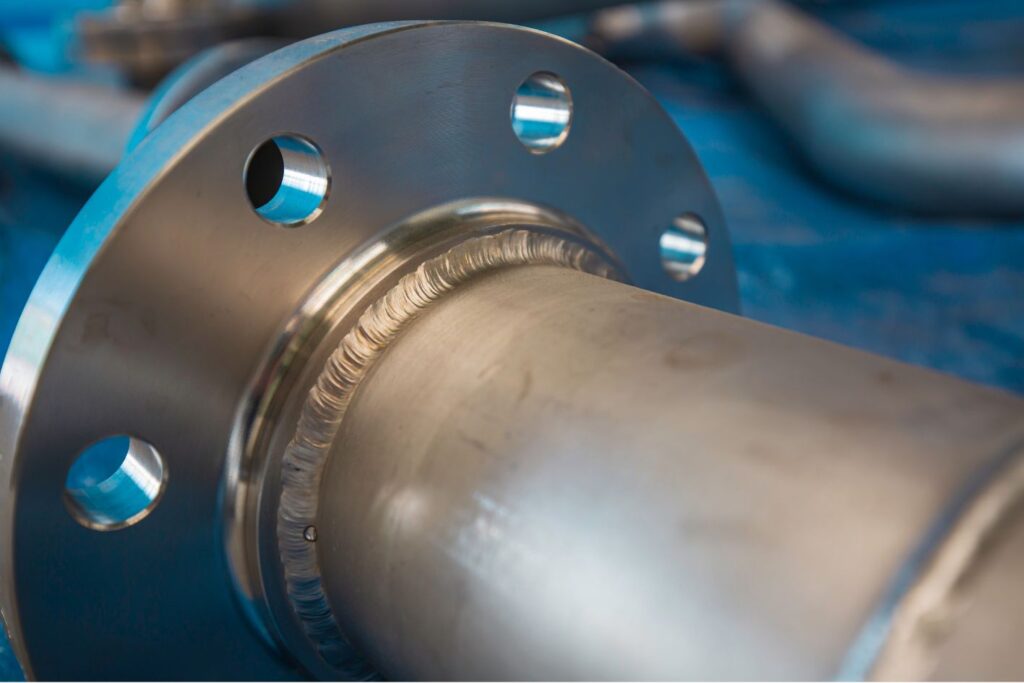
Stainless steel, renowned for its corrosion resistance and durability, is a popular material in various industries. However, welding stainless steel requires specific techniques and considerations to maintain its integrity and aesthetic appeal. This blog post will delve into the unique aspects of welding stainless steel, including the types of welding processes, electrode selection, preparation, and finishing techniques.
Why is Welding Stainless Steel Different?
Welding stainless steel differs from welding other metals primarily due to its composition. Stainless steel contains chromium, which forms a protective oxide layer on its surface, preventing corrosion. This oxide layer is crucial to maintaining the material’s corrosion resistance. When welding stainless steel, it’s essential to avoid damaging or contaminating this layer.
Welding Processes for Stainless Steel
Several welding processes are suitable for stainless steel, each with its advantages and applications:
- Shielded Metal Arc Welding (SMAW): A common process using coated electrodes. The coating provides a protective gas shield during welding, preventing contamination.
- Gas Tungsten Arc Welding (GTAW): A high-quality process using a non-consumable tungsten electrode. It offers precise control and is ideal for thin sections and critical applications.
- Gas Metal Arc Welding (GMAW): A process using a consumable wire electrode. It’s efficient for thicker sections and can be automated.
- Flux-Cored Arc Welding (FCAW): Similar to GMAW but with a hollow wire containing a flux core. It’s suitable for a wide range of applications.
Electrode Selection
Choosing the right electrode is crucial for successful stainless steel welding. The electrode’s composition and coating determine the weld’s properties. Common electrode types for stainless steel include:
- Isoarc 308L: A versatile electrode suitable for most stainless steel grades.
- Isoarc 316L: Used for welding austenitic stainless steels containing molybdenum, such as 316 and 316L.
- Isoarc 309L: Multi-purpose electrode used for welding dissimilar grades of stainless Steel together
- Isoarc 312: Used to weld tool steels and problem steels. This is a very versatile rod when the composition of the parent metal isn’t known.
- Isoarc 307: The is electrode is used to build buffer layers prior to hardfacing of the plate.
Preparation
Proper preparation is essential to ensure high-quality welds and should include:
- Cleaning: Remove dirt, grease, and contaminants from the weld area using a degreaser or solvent.
- Grinding: Prepare the edges for welding by grinding them to a bevel.
- Fitting: Ensure proper fit between the parts prior to being welded.
Finishing
After welding, finishing is necessary to remove weld spatter, blend the weld with the base metal, and restore the surface finish. Common finishing techniques include:
- Grinding: Remove weld spatter and blend the weld using a grinder.
- Polishing: Restore the original surface finish using polishing techniques.
- Pickling: Remove surface contaminants and discolouration using a chemical solution. This chemical solution will also assist in restoring the chrome oxide layer
Conclusion
Welding stainless steel requires careful consideration of factors such as the welding process, electrode selection, preparation, and finishing. By following these guidelines and using quality welding materials such as Isoarc welding products, you can ensure high-quality welds that maintain integrity and aesthetics.
For advice and appropriate welding components for your stainless steel welding needs, contact Thuthuka Welding.